
Article: Hair Loss From Perimenopause: What Helps and What Is Worth Trying?
Hair Loss From Perimenopause: What Helps and What Is Worth Trying?
If you are dealing with noticing extra hair in the brush or shower, the best place to start is not a bigger routine. It is a clearer one. This guide explains what the problem usually means, what to try first, and when GLOWWA Hair Food Meno may fit into a simple, repeatable plan.
The key is to match the product to the job. Steady, consistent support for hair that feels different through perimenopause can be useful, but it works best when you understand what it can do, what it cannot do, and how to use it consistently enough to see whether it is worth keeping.
Why hair can change in perimenopause
The trigger point is often not a dramatic bald patch. It is the quieter moment: more hair in the shower, a finer ponytail, or a parting that suddenly looks wider under bathroom lighting. That is exactly when the search for hair loss from perimenopause usually starts.
The common obstacle is that unsure whether supplements are worth trying. That is fair. Beauty routines often become expensive clutter when the product is chosen before the problem is named. Start by writing down what has changed, when it changed, and what you need the product to do in a normal week.
A useful product decision should answer three questions: what problem is it for, how often will I use it, and what would make me stop using it? If you cannot answer those, pause before adding another step.
What perimenopause hair loss usually looks like
The most useful approach is to separate panic from pattern. One heavy shed after stress, illness or a colour appointment is different from months of progressive thinning. A daily product such as GLOWWA Hair Food Meno may sit inside a wider support plan, but it should be used with realistic expectations and a way to track change.
The consideration stage is where most people get stuck. You are not simply asking whether a product exists. You are asking whether it is worth the money, whether it will fit your life, and whether the result will be visible enough to justify the effort.
That is why the routine has to be repeatable. A five-step plan that only works on a quiet Sunday is less valuable than one step you can do on a Tuesday night when you are tired.
What helps support stronger-looking hair
Use this simple comparison before you choose:
| Question | What to look for |
|---|---|
| Is the shedding new? | Track when it started, how much is coming out and whether it is linked to stress, hormones, illness or a recent change. |
| Is the routine realistic? | Daily support only works if it is easy enough to repeat. Put it beside something you already do. |
| Is there a medical reason? | Consider checking iron, thyroid, medication changes or sudden patchy shedding with a professional. |
| How will you measure progress? | Use parting photos, hairline photos and a simple note on shedding rather than checking every day. |
This is not about doing everything. It is about choosing the next sensible move and ignoring the rest until you have a reason to add it.
Supplements, scalp care and daily habits
Look at the basics too: protein intake, iron levels, stress, sleep, scalp comfort and whether your haircare is causing extra breakage. Hair loss and hair breakage can look similar in a brush, but they are not the same problem.
Small tracking helps. Take one photo, write one note, or decide how your hair or body should feel after four weeks of consistent use.
How long before you may notice a change
A simple routine might look like this:
- Choose the one problem you are solving first.
- Use the product at the easiest repeatable moment.
- Keep every other step gentle and familiar.
- Review after a month
When to get extra advice
Common mistakes usually come from doing too much at once. Changing shampoo, treatment, styling and supplements at the same time makes it hard to know what helped.
The better approach is boring, but it works: change one meaningful thing, use it properly, and give it enough repetition to be assessed. That makes the decision cleaner and keeps the spend more controlled.
If you are buying because of stress, do not let the purchase create more stress. Keep the routine small enough that it supports your day rather than becoming another job.
How to decide if it is worth buying now
Buy when the product solves a current problem, not a vague future worry. A good trigger is specific: more shedding, a slower blow wave, curls that need refreshing after the gym, skin that feels dull, or evenings where your body needs a clearer wind-down cue. A weak trigger is simply feeling that you should be doing more.
Before you buy, check the use pattern. Can you use it on the days you are busiest? Does it sit naturally beside something you already do? Does it replace a step, or does it add another one? The products that earn a place are usually the ones that make the routine smaller, calmer or more reliable.
Quick buyer checklist
- The routine takes less time than the frustration it solves.
- You understand what result would count as success.
- You are not expecting it to do the job of a haircut, colour correction, medical check or full lifestyle reset.
The Sable takeaway
The Sable takeaway is simple: choose the product that matches the trigger point, not the loudest promise. Look for a routine that is practical, affordable enough to repeat, and specific to the problem in front of you.
If shedding is sudden, patchy, painful or paired with other symptoms, book a GP check as well as reviewing your routine. If the product still makes sense after that filter, it has a better chance of becoming something you use, not something that sits in the bathroom cupboard.
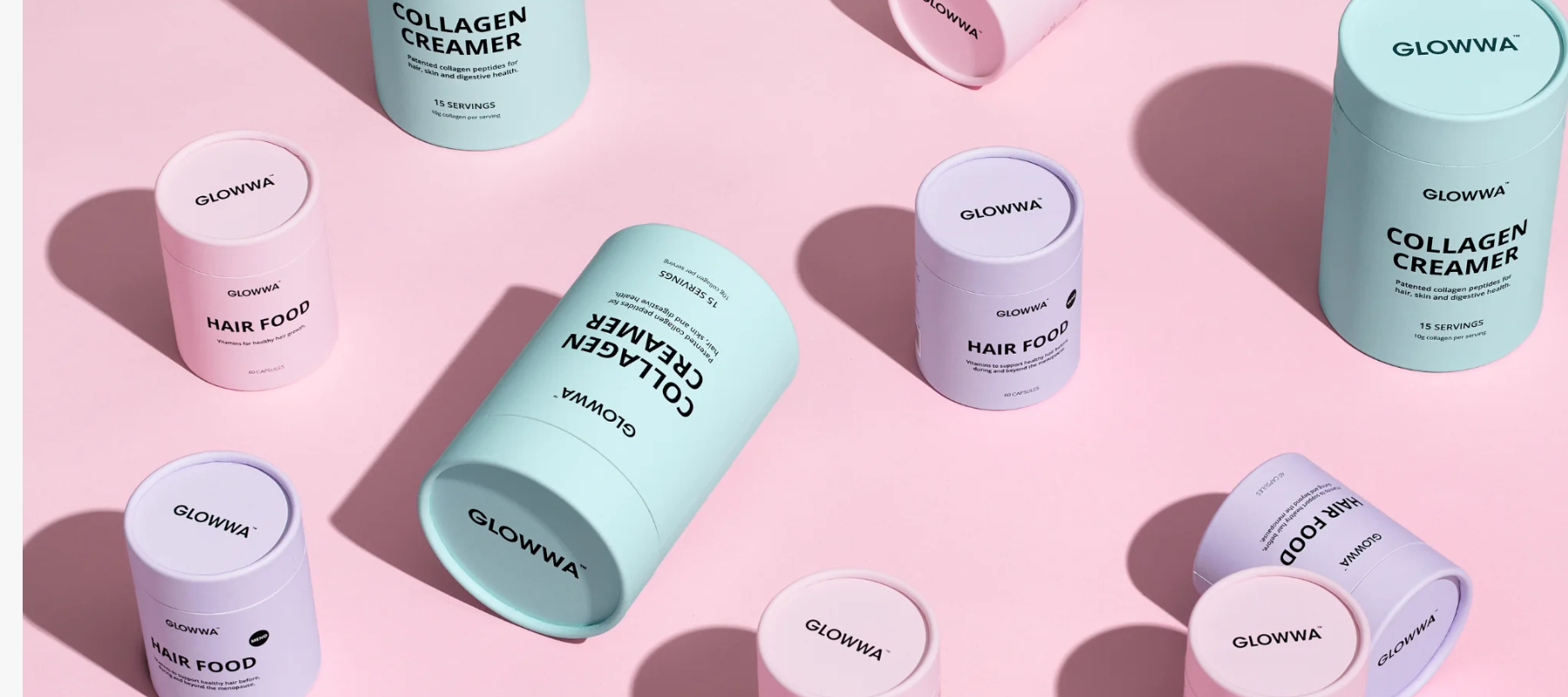
Shop GLOWWA Hair Food Meno for targeted perimenopause hair support.

Written by Anthea Digby-Smith